How to Reduce Diesel Fuel Costs for Your Trucking Fleet in 2026
Fuel accounts for 20–25% of total OTR operating costs. A well-run fuel program can recover $0.15 to $0.25 per gallon without changing routes, buying new equipment, or asking drivers to change how they drive.
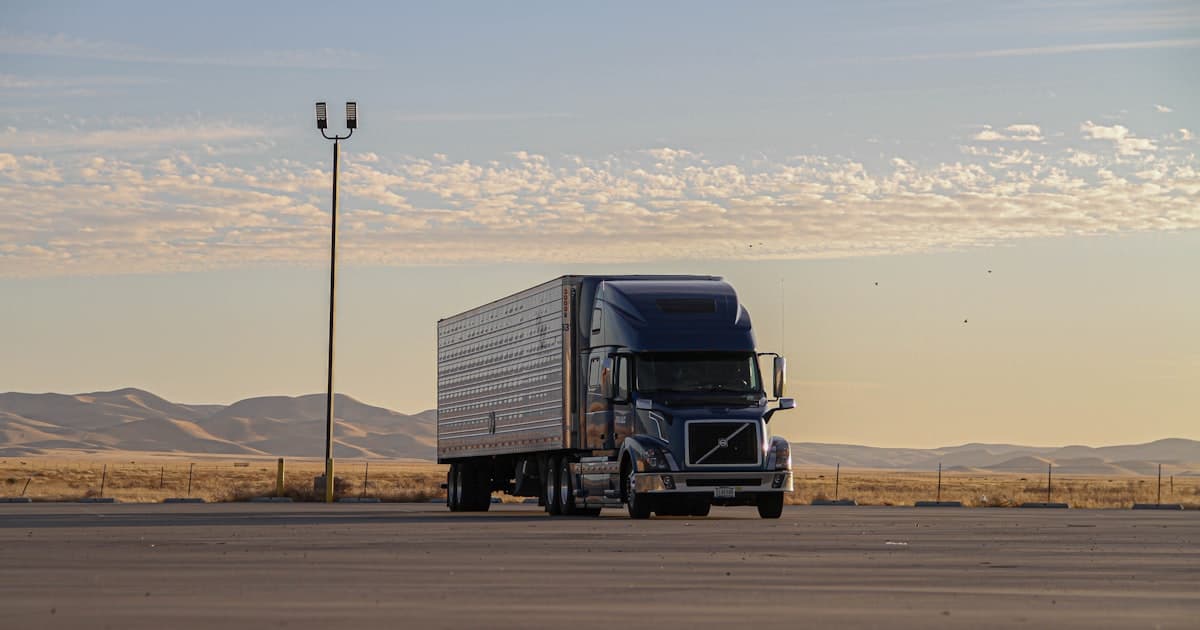
Fuel typically represents 20–25% of total operating costs for an over-the-road trucking fleet. For a 50-truck carrier averaging 2,500 miles per week per truck, that's a significant annual spend — and one with more recoverable savings than most fleet managers realize.
Here's where those savings come from, and which levers move the most money.
1. Buy Cheaper Fuel on the Same Routes
Fuel price variance at truck stops along common OTR corridors regularly spans $0.20 to $0.40 per gallon. That's not a special discount — it's the market price difference between two truck stops 40 miles apart on the same interstate.
Most fleets don't optimize at this level because the math is hard to do in real time. A dispatcher can't monitor 3,000 truck stops, check prices at each one, calculate whether a driver can make it to a cheaper stop given their current tank level, and send an advisory — for 50 trucks simultaneously, all day, without automation.
Systems that connect telematics (tank level + GPS) with a live fuel price feed and push advisories to drivers do this automatically. The net savings typically run $0.12 to $0.18 per gallon on optimized fills.
2. Capture Your Negotiated Discounts
Most mid-market fleets have negotiated rates at one or more fuel networks — through WEX, Comdata, Pilot Flying J loyalty programs, or Love's. These discounts are real money, but only if drivers actually fuel at the participating locations.
A driver who fuels at a non-contract station because it's convenient costs the fleet the full negotiated discount on every gallon — often $0.05 to $0.12 per gallon. Over a year across a fleet, that's a meaningful number that never shows up clearly on any individual statement.
Discount enforcement — routing drivers specifically to stations where their card captures the contracted rate — is worth treating as a line item, not an afterthought.
3. Reduce Off-Route Fueling
Every mile a truck drives specifically to reach a fuel stop costs money in fuel, time, and driver hours. Optimal fueling decisions route drivers to stops that are on or very close to their path, not out of the way.
Without real-time guidance, drivers often use the same stops out of habit — sometimes significantly off-route — because it's what they know. Route-aware fuel advisories consistently reduce deadhead miles to fuel stops, particularly for drivers operating new corridors.
4. Right-Size DEF Purchases
Diesel Exhaust Fluid is a separate line item that most fleets manage poorly. DEF is priced at retail at truck stops ($3–$5 per gallon) but is dramatically cheaper in bulk ($1–$1.50 per gallon at distribution centers or direct from suppliers). Fleets that buy DEF in bulk and top off from on-site supply rather than purchasing at the pump save 60–70% on DEF costs.
5. Reduce Idle Time
An idling Class 8 truck burns approximately 0.8 gallons per hour. A driver idling 2 hours per shift — common in cold weather or during mandatory rest periods without auxiliary power — burns hundreds of gallons per year doing nothing productive. Across a 50-truck fleet, idle time is a five-figure annual cost.
Real-time idle reporting, combined with driver scorecards that make idle time visible to both driver and management, typically drives a 15–20% reduction within 90 days of implementation.
6. Audit Your Fuel Card Program Annually
Fuel card programs vary in their discount structures, network acceptance, and fee schedules. Most mid-market fleets picked their fuel card years ago and haven't renegotiated since.
Annual card program audits — comparing your average net cost per gallon against benchmark rates available through negotiation or card switching — regularly surface $0.03 to $0.06 per gallon in recoverable savings. It's an hour of work per year that consistently delivers a positive return.
The Combined Effect
These strategies compound. Optimal stop selection plus discount capture plus idle reduction plus DEF bulk purchasing can target $0.20 or more per gallon in total cost reduction.
The common thread is visibility and automation. Manual fuel management captures some savings some of the time; systematic, real-time optimization captures them consistently across every fill, every truck, every week.
See This In Your Fleet
We'll show you exactly what your fleet is losing in a free 20-minute session using your real data.
Book a Free Demo